

Yes, personal content shared on social media can be actively used by AI-driven programs to create life-like digital avatars for fraud and deception.
While identity theft and impersonation are older than the internet, generative AI has drastically reduced the cost, time, and technical skill required to execute these scams. Scammers scrape public social media profiles to harvest data points that feed deep learning models.
1. The Anatomy of the Pipeline: From Post to Avatar
Malicious actors use an approach called Open-Source Intelligence (OSINT) to collect fragments of your digital footprint and combine them into a weaponized clone:
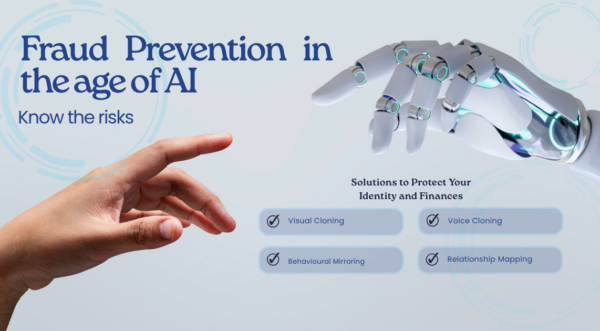
- Visual Cloning: Just a few high-quality selfies, photos, or short video reels are enough for AI face-swapping software (such as DeepFaceLab) to map a person’s facial geometry and create a fully animated, dynamic video avatar.
- Voice Cloning: Software can clone a human voice using as little as three seconds of clean audio harvested from a video post, story, or voice note. The AI can then read any script realistically via Text-to-Speech (TTS) tools.
- Behavioural Mirroring: Text posts, captions, and comments teach Large Language Models (LLMs) the exact vocabulary, speech patterns, and slang a specific user employs, making text-based impersonations highly convincing.
- Relationship Mapping: Public tags, comments, and family photos reveal exactly who your trusted circle is, giving scammers the contextual knowledge needed to stage targeted deceptions.
2. Emerging Vectors of AI Avatar Fraud
Cybercriminals deploy these cloned identities across multiple channels to deceive businesses, financial institutions, and families:
| Scam Vector | Method | Real-World Impact |
| Deepfake Vishing (Voice Phishing) | Scammers clone a target’s voice to call family members or corporate personnel, creating an artificial emergency to demand urgent money transfers. | Global AI fraud losses are projected to reach US$40 billion by 2027 (up from $12 billion in 2023). |
| Live Video Conferencing Hijacks | Threat actors map an executive’s or employee’s face onto an actor during live Zoom or Teams meetings to bypass security. | A notable corporate hack in Hong Kong famously fooled a finance clerk into transferring $25 million using an AI-cloned executive team. |
| Romance & Catfishing Scams | Scammers create completely synthetic, highly interactive personas using stolen content to emotionally manipulate victims online. | Online media and dating applications suffer some of the highest identity fraud rates globally. |
| Avatar Farms & Fake Influencers | Massive networks of fake profiles use stolen model videos modified with AI faces to push scam software, false investment schemes, or fake products. | Audiences are routinely fooled into downloading malware through “free software” links hosted by non-existent influencers. |
3. How to Protect Your Digital Likeness
As legal frameworks like the EU AI Act and the US TAKE IT DOWN Act slowly establish protections against non-consensual synthetic media, personal cyber-hygiene remains the most effective immediate defence:
- Lock Down Privacy Settings: Switch profiles from public to private on apps like Instagram, TikTok, and Facebook to block automated web-scraping bots.
- Opt-Out of AI Training: Take advantage of platform privacy features. For example, you can fill out the “Right to Object” form on Meta or disable “Data for Generative AI Improvement” on LinkedIn to stop platforms from feeding your public content into their own AI models.
- Establish a Family “Safe Word”: Because voice clones are now highly accurate, establish a confidential verbal password with loved ones to independently verify identity during an “emergency” phone call.
- Avoid Social Media AI Trends: Hype campaigns—such as uploading selfies to generate custom AI caricatures, avatars, or vintage yearbooks—often grant third-party applications broad rights to retain and process your biometric face data.
Frank Conway is a Qualified Financial Adviser and Founder of MoneyWhizz
Comments are closed.